

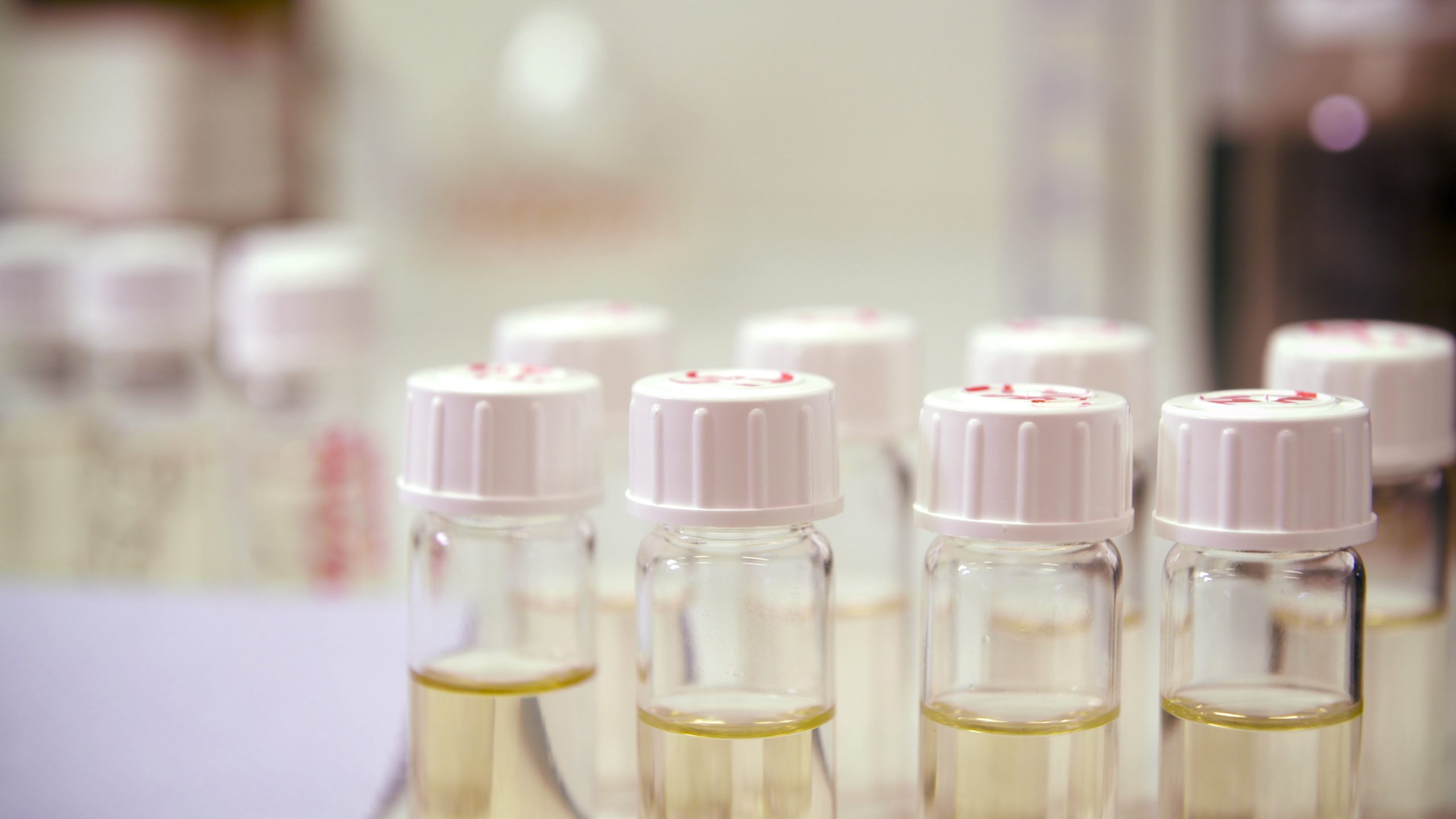
Reliable fuel quality is essential for keeping vehicles, plant, and equipment operating efficiently. Argent Fuels provides professional fuel sampling and analysis services across the UK, helping businesses verify fuel quality, diagnose contamination, and maintain reliable performance.
Our service combines on-site fuel sampling with laboratory-based testing, providing accurate insight into the condition of diesel, biodiesel, and renewable fuels. Whether you manage a fleet, operate industrial equipment, or store fuel for backup systems, fuel testing can help identify potential issues early and support effective fuel management.
Professional fuel sampling and testing in the UK
Argent Fuels provides professional fuel sampling and testing services for commercial and industrial fuel systems across the UK.
Fuel quality can deteriorate during storage or become contaminated through water ingress, microbial growth, or particulate matter. Without testing, these issues may go unnoticed until they cause engine faults, equipment damage, or operational disruption.
Our fuel sampling and testing services help organisations confirm fuel quality and detect contamination before it affects performance.
We support a wide range of businesses, including:
- Fleet operators managing large vehicle fleets
- Construction and plant operators relying on stored diesel
- Industrial fuel users operating generators and machinery
- Organisations storing biodiesel or renewable fuels
Using structured sampling procedures and accredited laboratory analysis, we provide reliable testing that helps businesses maintain fuel performance and protect critical equipment.
What is fuel sampling and analysis?
Fuel sampling and analysis is the process of collecting fuel samples from storage tanks or systems and testing them to assess quality and identify contaminants.
The process typically involves two stages.
Fuel sampling
A representative sample of fuel is collected directly from a tank or storage system using appropriate sampling techniques. Correct sampling is essential to ensure laboratory analysis accurately reflects the condition of the stored fuel.
Samples can be taken from:
- Bulk storage tanks
- Fleet fuel storage systems
- Backup generator tanks
- Biodiesel storage systems
Laboratory fuel testing
Once collected, the sample is analysed in a laboratory using recognised testing methods. The analysis examines a range of factors, including contamination, fuel degradation, and compliance with relevant fuel standards.
Laboratory testing can identify issues that are not visible during routine fuel handling but may affect engine performance or fuel stability.
Fuel quality verification
Testing confirms whether fuel remains suitable for use and highlights potential problems that may require treatment or corrective action.
Clear test results help businesses understand the condition of their stored fuel and make informed decisions about maintenance, fuel replacement, or system cleaning.
Diesel fuel testing and contamination analysis
Diesel fuel testing plays a critical role in maintaining reliable fleet and equipment performance. Even small levels of contamination can affect fuel systems, reduce efficiency, and increase maintenance costs.
Fuel analysis can identify a range of common issues.
Water contamination
Water is one of the most common causes of diesel fuel problems. It can enter storage tanks through condensation, damaged seals, or poor storage conditions.
Water contamination may lead to:
- Corrosion in fuel systems
- Reduced combustion efficiency
- Increased risk of microbial growth
Microbial growth
Microorganisms such as bacteria and fungi can develop in diesel fuel where water is present. These microbes feed on fuel components and produce sludge that can block filters and damage fuel systems.
Fuel contamination testing can identify microbial activity before it leads to operational problems.
Fuel degradation and oxidation
Diesel fuel can degrade over time, particularly during long-term storage. Oxidation may affect combustion quality and lead to deposits in fuel systems.
Testing helps determine whether stored diesel remains stable and suitable for use.
Sediment and particulate contamination
Rust, dirt, and other particles can accumulate in storage tanks and fuel systems. These contaminants may clog filters and reduce engine efficiency.
Fuel analysis identifies particulate contamination and helps determine whether filtration or cleaning may be required.
Fuel testing services for biodiesel and renewable fuels
Argent Fuels also provides fuel testing services for biodiesel and renewable fuels, supporting organisations transitioning to lower-carbon alternatives.
Dieselite blends such as B10, B20, and B30 are increasingly used across fleets and commercial operations. While these fuels provide significant emissions reductions, they can require careful storage and monitoring to maintain quality.
Fuel testing can support renewable fuel users by providing:
- Biodiesel blend verification, which, through laboratory testing, can confirm biodiesel blend levels, ensuring the correct proportion of biodiesel and diesel is present.
- A storage stability assessment because renewable fuels may be more sensitive to storage conditions than conventional diesel. Testing helps determine whether fuel remains stable during storage.
- Oxidation monitoring because, over time, high blends of biodiesel can oxidise, which may affect fuel quality.
- Compliance verification to confirm alignment with relevant biodiesel standards, such as EN14214, providing reassurance for organisations using renewable fuels in commercial operations.
For businesses investing in lower-carbon fuels, regular fuel analysis helps ensure consistent performance and reliability.
When should fuel be tested?
Fuel sampling and analysis is valuable in a range of operational scenarios.
- Long-term fuel storage means the fuel may degrade or accumulate contaminants. Testing helps confirm whether stored fuel remains suitable for use.
- When fleet performance issues arise, like unexpected engine faults or reduced performance may sometimes be linked to fuel quality. Fuel testing can help identify whether contamination or degradation is contributing to operational problems.
- Before large fuel deliveries, testing existing fuel stocks before adding new fuel can help ensure compatibility and avoid mixing fuel that may already be compromised.
- As part of preventative maintenance programmes, which include routine fuel testing as part of preventative maintenance, allow potential issues to be identified before they affect equipment or fleet operations.
By monitoring fuel quality over time, businesses can reduce the risk of unexpected failures and improve fuel system reliability.
Laboratory standards and reporting
Fuel sampling and analysis relies on accurate laboratory testing and clear reporting.
Argent Fuels works with recognised testing processes to ensure samples are analysed using reliable and consistent methods.
Testing services typically include:
- Standardised laboratory analysis procedures
- Identification of contamination and fuel quality indicators
- Clear, structured test reports
- Practical recommendations based on results
Rather than simply presenting technical data, reports are designed to provide actionable insights, helping businesses understand the condition of their fuel and the steps required to maintain or restore quality.
This approach ensures testing results support real operational decision-making.
Fuel analysis for fleets and small to medium businesses
Fuel quality issues can affect organisations of all sizes. Argent Fuels provides fuel analysis services for fleets and small to medium businesses operating across a wide range of sectors.
- Fleet operators: Maintaining fuel quality is essential for vehicle reliability and consistent fleet performance.
- Construction and plant operators: Plant machinery operating in demanding environments depends on clean, stable fuel to operate efficiently.
- Industrial fuel users: Manufacturing sites and industrial facilities often rely on stored fuel for equipment and production processes.
- Backup generator operators: Generators used for emergency power may store fuel for extended periods. Testing ensures stored fuel remains reliable when it is needed most.
For all these users, fuel sampling and analysis provides an important safeguard against contamination and fuel degradation.
Book a fuel sample analysis
If you suspect fuel contamination or want to verify the quality of stored fuel, professional analysis can provide clear answers.
Argent Fuels offers fuel sampling and laboratory testing services across the UK, helping businesses diagnose fuel issues, protect equipment, and maintain reliable fuel performance.
Book a fuel sample analysis today or speak to our team to discuss your fuel testing requirements.
Frequently Asked Questions
What does fuel sampling test for?
Fuel sampling and testing can identify a range of issues, including water contamination, microbial growth, sediment, oxidation, and fuel degradation. Testing also helps verify fuel quality and confirm compliance with relevant standards.
How often should diesel fuel be tested?
Testing frequency depends on factors such as storage duration, environmental conditions, and fuel usage. Many organisations test fuel periodically as part of preventative maintenance programmes.
Can biodiesel degrade in storage?
Yes. High blends of biodiesel can oxidise over time, particularly if storage conditions are not optimal. Testing helps monitor fuel stability and ensure stored biodiesel remains suitable for use.
What is fuel contamination testing?
Fuel contamination testing identifies substances that should not be present in fuel, such as water, microbes, sediment, or other particles. Detecting contamination early helps prevent engine damage and operational disruption.
How long does fuel analysis take?
Turnaround times vary depending on the tests required, but laboratory analysis is typically completed within a few working days after samples are received.
Does Argent offer fuel testing near me?
Argent Fuels supports organisations across the UK, providing fuel sampling and analysis services for businesses nationwide.